Author: yleuvr

  • Blue’s Petting Zoo

    A word too loud and off she goes, burnt at the stake. An exposed ankle? Oh how revealing, she most definitely has to be a slut! Many say that women have never had it better, afforded with more rights and privileges than ever. In fact, many argue that the “radical leftists” and feminists have championed for so much feminism, to the point where men’s rights are stifled and encroached on. The balance has tipped the other way, perpetuating an unfair injustice, they say.

    However, while women do have more social rights and freedom on paper, these liberties do not necessarily translate to emotional or psychological freedom.

    On social media, we often see female creators glorified for pandering to the male gaze, with influencers such as Sophie Rain going viral for their adult content on OnlyFans. Impressionable young teens, surrounded by such a culture would only inevitably conflate ideas of their self worth with external male validation. This creates fertile ground for insecurity that seeks male attention, ultimately reinforcing the patriarchy in a subtler, yet more sinister manner.

    Bonnie Blue, a famous porn-star, initially intended to create a “petting zoo” experience which allowed men to anything as they wished to her — a physical display of female subservience toward males. She highlights a form of regression: women indeed do have greater rights and empowerment, but yet still play roles for male pleasure. Furthermore, she reveals a form of internalised structural insecurity masked as “empowerment” and female autonomy.

    Moreover, the global rise of democratic backsliding has disproportionately disempowered women, placing them at the forefront of regressive, illiberal policies. In the United States, populist leaders like Donald Trump often mobilise their religious base through emotionally charged rhetoric, invoking Christian values to garner support. However, this invocation of religion frequently serves as a tool to justify restrictive policies. Most recently, he has rescinded EMTALA guidance, disallowing women from having abortions even under life-threatening circumstances. To say that women have never had it better would be a gross misrepresentation — for their bodily autonomy is actively stripped away under the current administration.

    Yes, we no longer have women accused for being witches burnt at the stake, but who needs witches when we have Trump, Bonnie Blue’s Petting Zoo and Sydney Sweeney’s Bathwater soap?
  • The Restoration of Singapore’s Kampung Spirit: Our Anti-Cultural Cultural Obsession with Home Based Eateries

    Since late 2024, an interesting phenomenon has popped up all over our sunny tropical island: eateries that are not based in heritage shophouses nor in commercial malls, but rather, residential homes. They proliferate social media feeds, with people lining up just to visit. On the surface, they seem like a passing trend – but our newfound cultural obsession with them reveals something deeper: the degradation of long-standing Singaporean values. 

    From independence, Singapore’s leaders framed the nation as vulnerable, resource-scarce, and constantly under threat. This “siege mentality” was politically instrumentalized to justify policies that emphasised efficiency and relentless economic development. The emergence of a culture privileging wealth and success was not an organic byproduct, but a politically engineered value system. Caught up in the rat-race, many Singaporeans have begun to lose sight of what truly matters – interpersonal relationships and our shared communities. We become increasingly isolated, hyper fixated on a narrow pursuit of a narrow definition of success. Ultimately, our myopic focus has led to the erosion of “kampung spirit”, which can be defined as the shared camaraderie between neighbours in a village. 

    Most Singaporeans today live in high-rise buildings, communicating with their neighbours superficially in passing. This is a far cry from the “kampung” spirit that used to pervade kampungs — the laughter of boisterous children playing together and lively shared meals; the open doors of neighbours and shared dinners. 

    Ironically, our cultural obsession with home-based cafés seems antithetical to the aforementioned value system that have long defined modern Singapore. ​​LX, co-owner of “That Day at Home,” shares that she started her home café because she wanted to create a space where people could “drink coffee and chat for a bit, understand about each other and this community.” Her words reflect a desire for authentic human connection. Similarly, Sarah, the owner of “Still Café,” left a stable full-time job to pursue her vision of something slower and more meaningful. She took a risk, deviating from the conventional corporate path that smot Singaporeans pursue. This cultural obsession reflects and propagates deeper cultural shifts in our kiasu (scared to lose out) society – the desire for connection and slower-paced living. 

    Many Singaporeans jump to patronise these businesses, leading to their wildfire popularity. Coffee by the Porch, founded by a group of friends, completely sold out on their first day of their launch – with all the plastic utensils running out even though they purchased around 500 pieces. Today, they continue to sell over 100 units of food and beverages a day. Unlike chain cafés in malls, which prioritize speed and predictability, home-based cafés feel deeply personal as patrons step into the personal homes of the owners. Patrons don’t come just for a quick bite before returning to work, but to truly connect with other neighbours and the face behind the counter. 

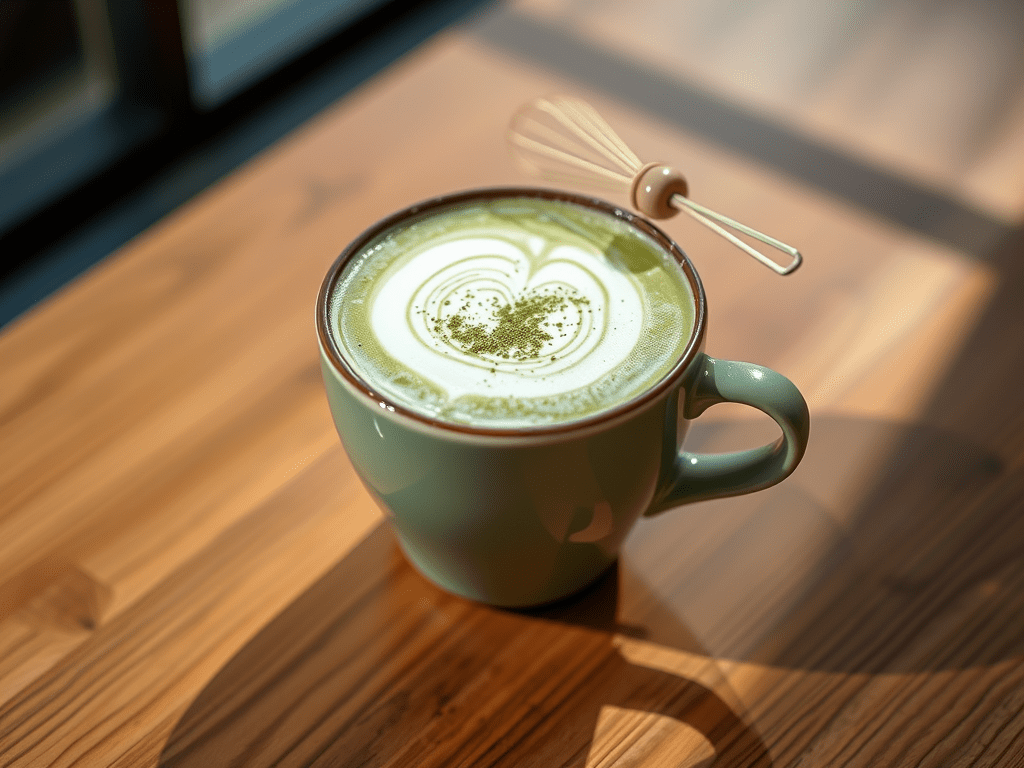
    Indeed, for many, home-based eateries have served as the antidote for modern alienation in urban life. A semblance of kampung living has been restored: doors are no longer closed, and neighbours can have a chat with each other over a cup of strawberry matcha latte and kaya toast.